24 results for current filters
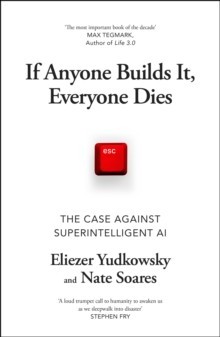
If Anyone Builds It, Everyone Dies
Yudkowsky and Soares warn that building artificial superintelligence with current techniques would result in human extinction
Introduction to AI Safety, Ethics, and Society
Dan Hendrycks on AI Safety, Ethics, and Society's critical challenges
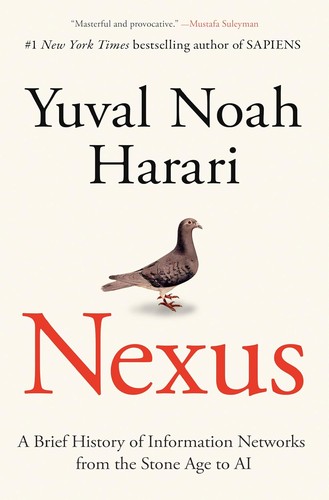
Nexus
Harari traces how information networks from Stone Age to AI have shaped human civilization, exploring our rush toward potential extinction.
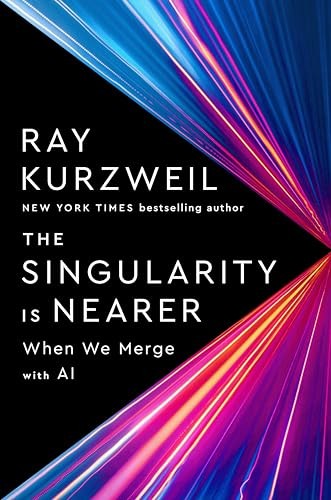
The Singularity is Nearer
Ray Kurzweil's vision of human-AI merger and the technological singularity's imminent arrival

Genesis
Kissinger's final book: Schmidt, Mundie & the late statesman confront AI's power to reshape human identity, geopolitics, and civilization itself.
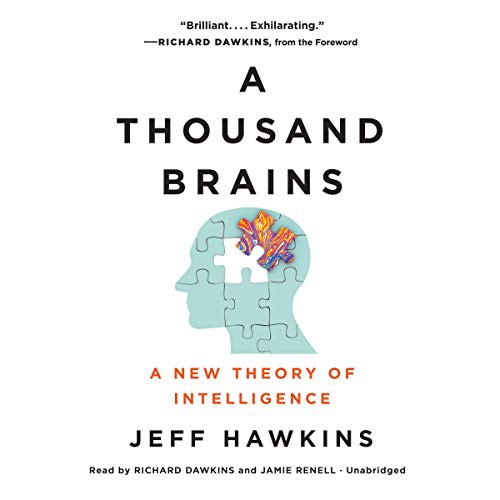
A Thousand Brains
Jeff Hawkins' theory of how the brain's cortical columns could revolutionize AI and consciousness.
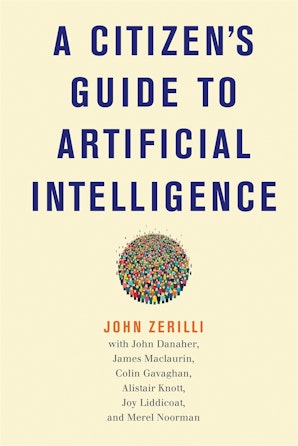
Citizen's Guide to Artificial Intelligence
Zerilli demystifies AI's societal impact, from healthcare algorithms to criminal justice - essential reading for navigating our algorithmic age.

Scary Smart
Mo Gawdat's warning that AI will be a billion times smarter by 2049, and only we can teach machines to be good parents to humanity
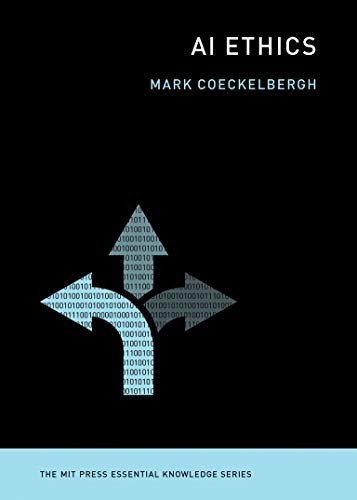
AI Ethics
University of Vienna philosopher Mark Coeckelbergh examines AI ethics beyond hype, from Frankenstein to autonomous weapons and data bias
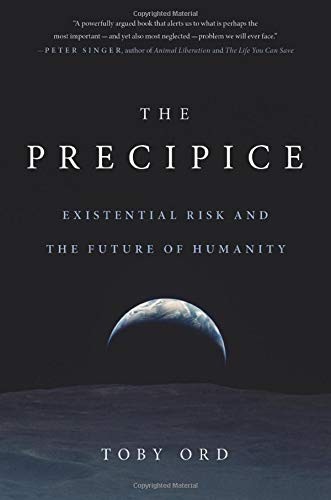
The Precipice
Toby Ord's urgent case for humanity's survival in an age of existential risk.
Exhalation
Ted Chiang's philosophical stories exploring consciousness, time, and the nature of existence.
Costs of Connection
Nick Couldry exposes 'data colonialism'—how tech giants extract personal data to fuel a new phase of capitalist exploitation
Artificial Intelligence
Santa Fe Institute professor Melanie Mitchell's measured critique of AI hype, exploring why machines excel at chess but mistake buses for ostriches

Klara and the Sun
Ishiguro's solar-powered AI narrator observes human love and mortality in a dystopian future where genetic enhancement divides society.
Human Compatible
Berkeley professor Stuart Russell argues AI must remain uncertain about human preferences to avoid catastrophic misalignment.

The Book of Why
Judea Pearl's revolutionary framework for understanding causality and the do-operator that transforms how we think about cause and effect
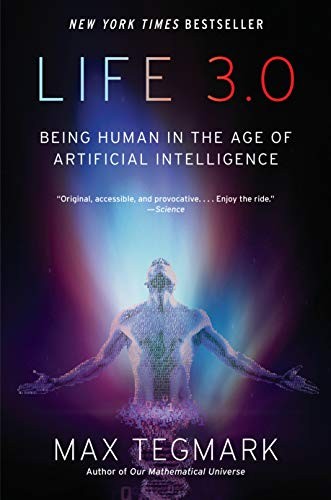
Life 3.0
Max Tegmark explores humanity's future as AI surpasses human intelligence
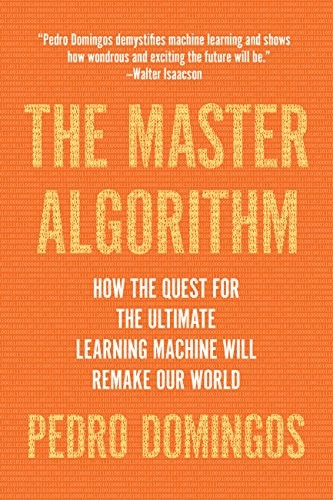
The Master Algorithm
Pedro Domingos seeks the ultimate learning algorithm that will reshape civilization itself.
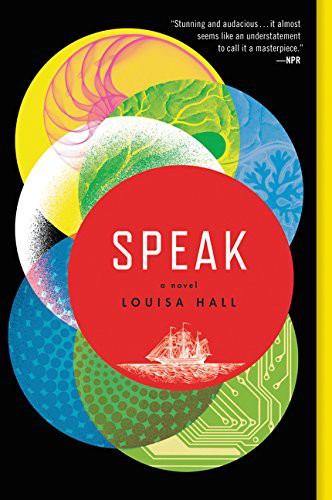
Speak
Louisa Hall's speculative fiction explores what makes us human through five interconnected voices and the dying AI MARY3
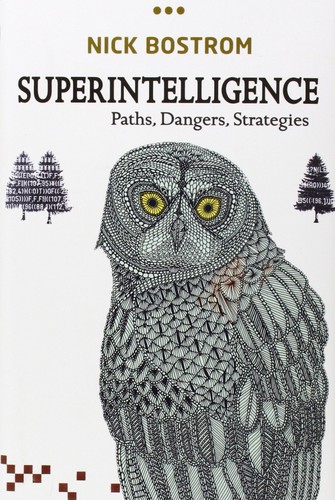
Superintelligence
Oxford philosopher Nick Bostrom's influential analysis of AI's existential risks and the control problem when machines surpass human intelligence
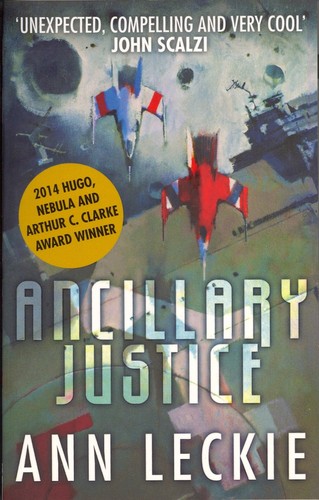
Ancillary Justice
Ann Leckie's space opera exploring identity through an AI's fragmented consciousness across multiple bodies.
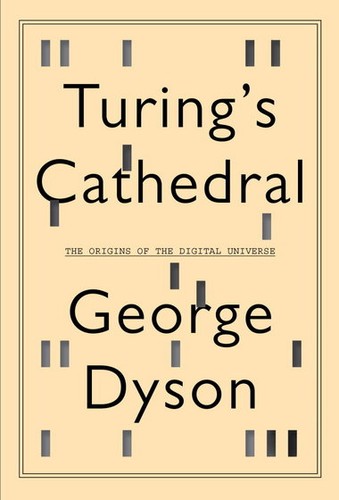
Turing's cathedral
George Dyson traces computing's origins from Turing's vision to the IAS machine.
The Emotion Machine
Minsky's radical theory that emotions are just different ways of thinking, not separate phenomena—with implications for conscious AI
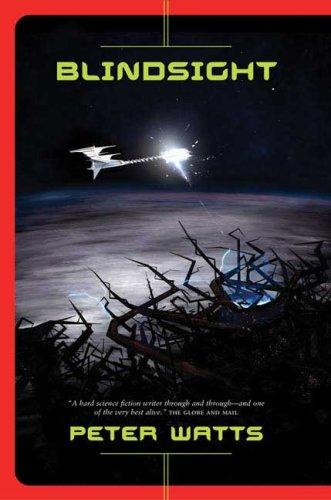
Blindsight
First contact with alien intelligence challenges humanity's consciousness—Peter Watts' hard SF masterpiece.